
The Lebanese Mezza: A Philosophy of Sharing and Generosity
Lebanese cuisine is not merely food to satisfy hunger; it is a true celebration of life. The "Lebanese Mezza" is considered the core of this culture, consisting of a wide array of small dishes placed in the center of the table for everyone to share. The mezza relies on fresh natural ingredients, extra virgin olive oil, vegetables, and lemon, making it one of the healthiest and most delicious ways to eat in the world.
Between Cold and Hot Mezza
The Lebanese feast always begins with the cold mezza that refreshes the senses; the great Tabbouleh relying on finely chopped parsley, the Fattoush with toasted bread and pomegranate molasses, and plates of Hummus, Mutabal, and Baba Ghanoush. After that, the hot mezza starts descending onto the table; crispy cheese rolls, fried Kibbeh, sausages (Sujuk and Makanek) with pomegranate molasses, and chicken liver (Sawda) extinguished with garlic and lemon.
Lebanese Grills (The Main Course)
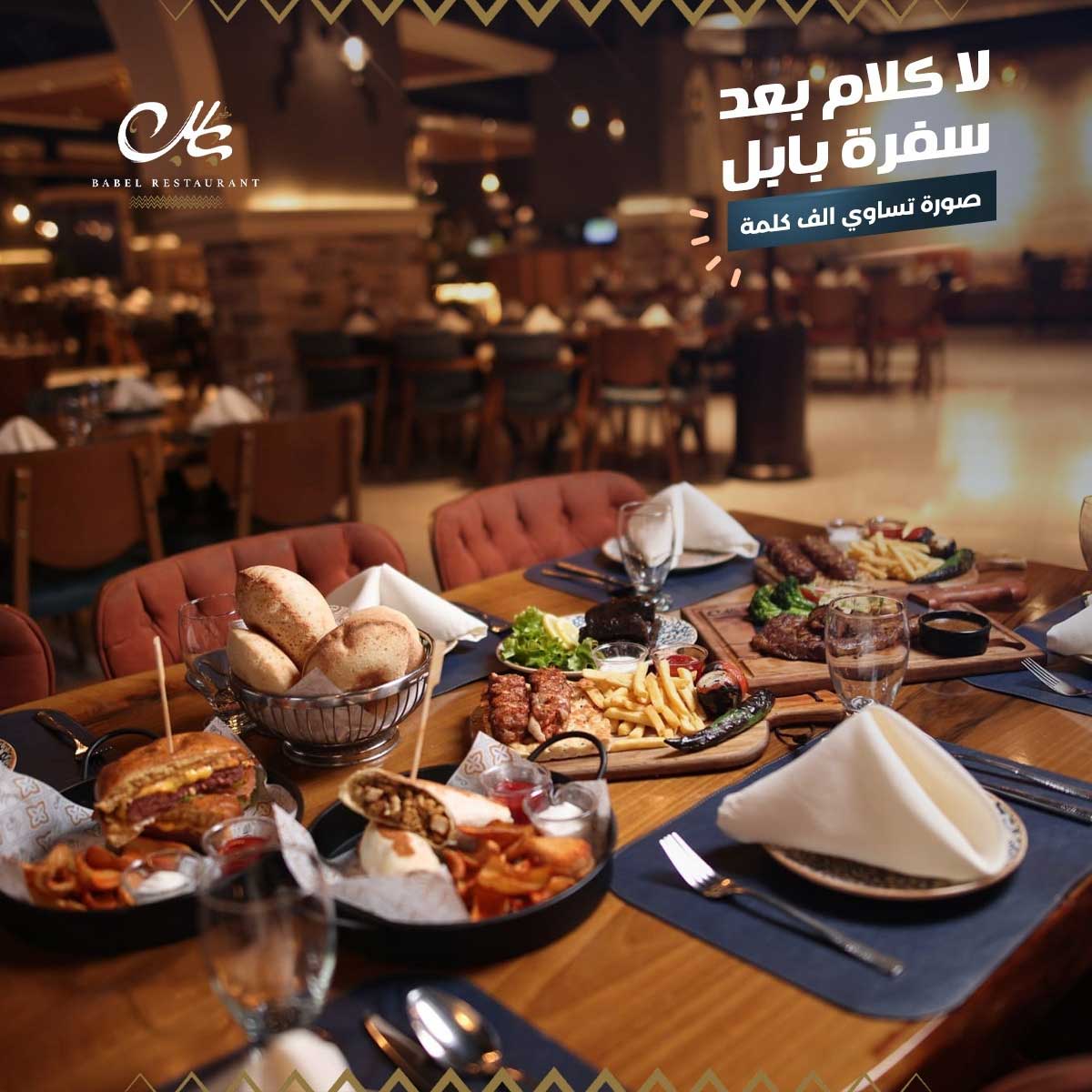
After enjoying the mezza, it is time for Lebanese grills, carefully barbecued over charcoal. Skewers of grilled meat, Tawook marinated in garlic and yogurt, and Aleppo Kebab are all served with flatbread brushed with a sauce of onions, parsley, and sumac. High-end Lebanese restaurants like Babel in Kuwait and Ayam Zaman offer this experience with a very high level of luxury and authenticity.
The Perfect Ending: Lebanese Sweets
The Lebanese experience is incomplete without oriental sweets, such as Kunafa with cheese or cream and honey, Ghazlieh, and Halawat el Jibn. If you are looking for a rich dining experience combining fresh flavors and warm atmospheres, use the Sahtaen guide to reach the nearest and best Lebanese restaurant in your city.


